Are Lighthouse Point Waterfront Homes Worth the Tradeoff?
May 21, 2026
May 21, 2026
If waterfront living is on your wish list, Lighthouse Point can look like the perfect fit at first glance. You get canals, boating access, and a built-out coastal city with a strong water-oriented identity, but you also take on costs and risks that do not come with a typical inland home. Before you decide whether the tradeoff makes sense for you, it helps to understand what you are really buying. Let’s dive in.
Lighthouse Point is not just another coastal city with a few waterfront streets mixed in. According to the city, about 80% of residences are single-family homes, many front 18 miles of waterways, and more than 95% of the city is already developed. That limited supply is a big part of what makes waterfront here feel scarce.
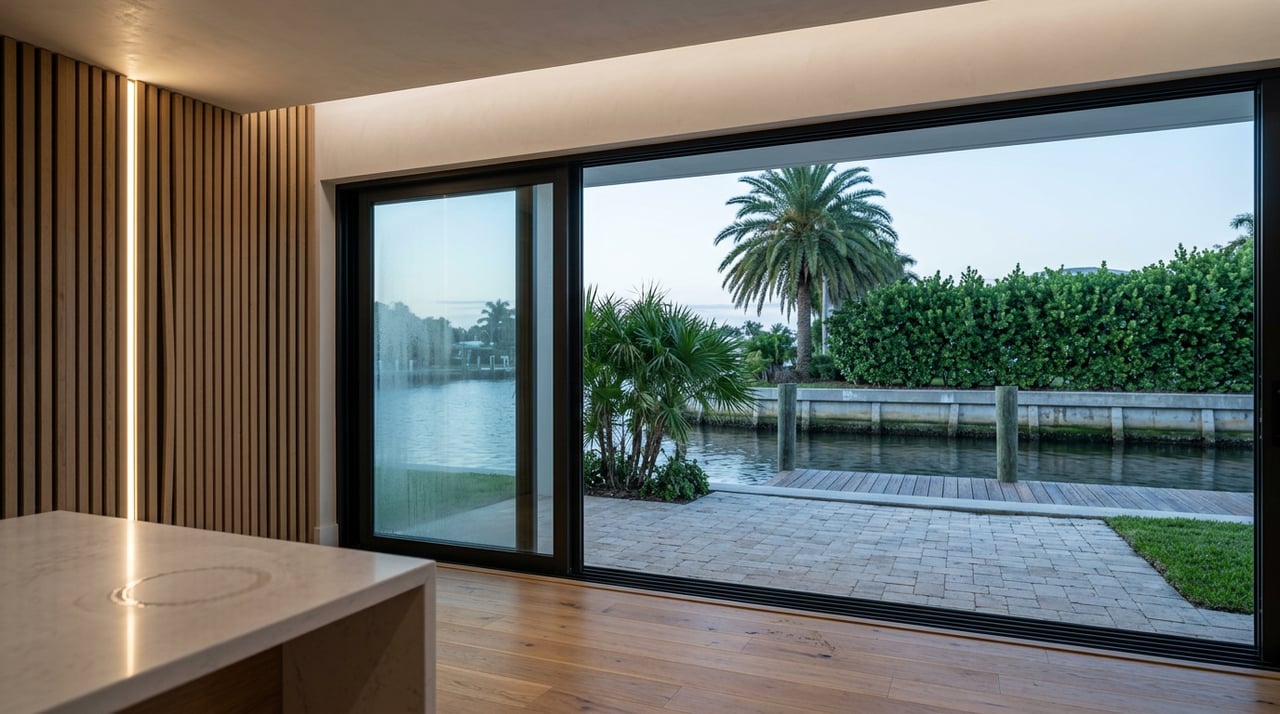
The city also describes its canal system as man-made and bulkheaded, with the Intracoastal Waterway running the length of the city and the Hillsboro Inlet next to the southeastern portion. For you as a buyer, that means the value is not only about a view. It is also about practical boating access and a specific kind of South Florida lifestyle.
Buying waterfront in Lighthouse Point usually means paying for more than the house itself. You are also taking responsibility for the shoreline features, insurance profile, and ongoing upkeep that come with being on the water.
One of the biggest surprises for waterfront buyers is insurance. Florida officials note that flood damage is not covered by a standard homeowners policy, so flood insurance is usually purchased separately.
Flood premiums can vary a lot from one home to another. FEMA’s Risk Rating 2.0 uses factors like distance to water, elevation, rebuilding cost, and first-floor height, so two homes that look similar on the surface may carry very different flood insurance costs.
You should also plan for a separate hurricane deductible on many Florida policies. Florida consumers may see hurricane deductibles set at 2%, 5%, or 10% of dwelling coverage, which can change your out-of-pocket exposure after a storm.
In Lighthouse Point, shoreline features are not casual add-ons. They are regulated, engineered parts of the property that can affect both cost and future plans.
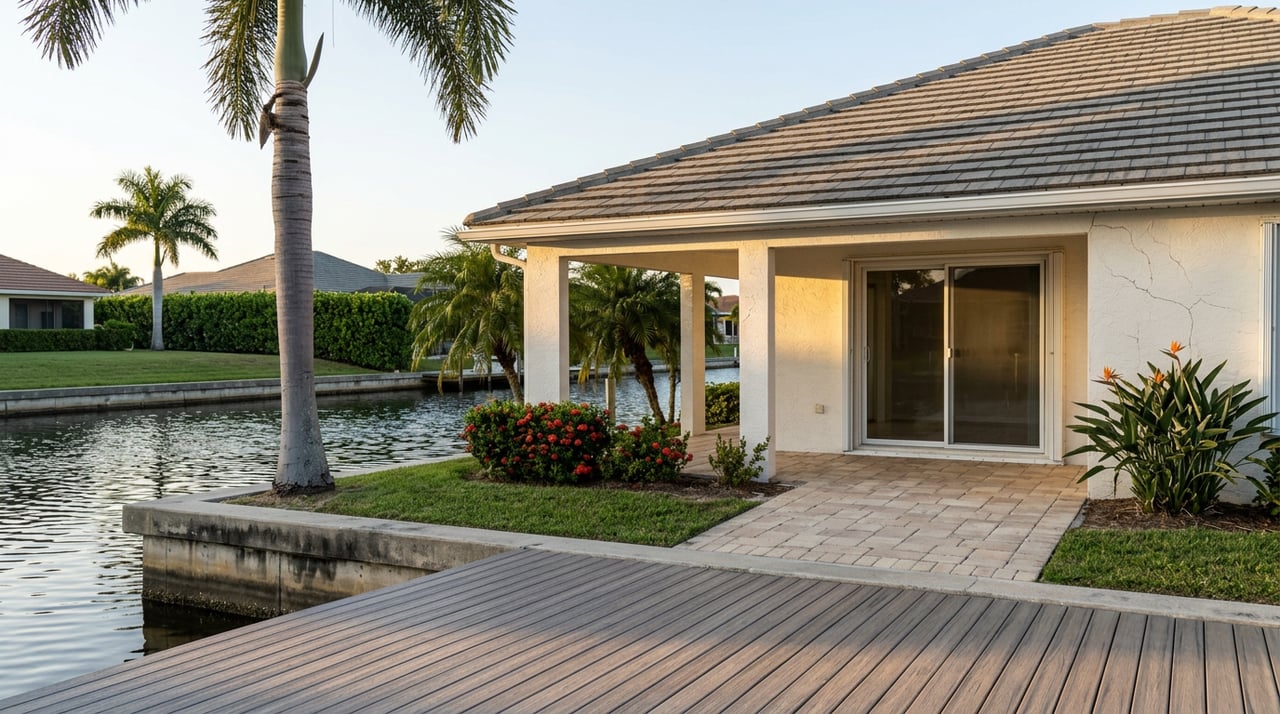
For waterfront properties, the city requires two signed and sealed engineer letters for new homes or major remodels confirming seawall condition and its ability to support upland improvements. Dock and seawall permit packages may also require Broward County, DEP, or Army Corps approvals, and new docks require signed and sealed drawings from the Designer of Record.
That matters because repairs, replacements, or upgrades can involve more time, more documentation, and more professional input than buyers expect. An updated dock or seawall survey is also required before final inspection, which shows how closely these features are treated in the local process.
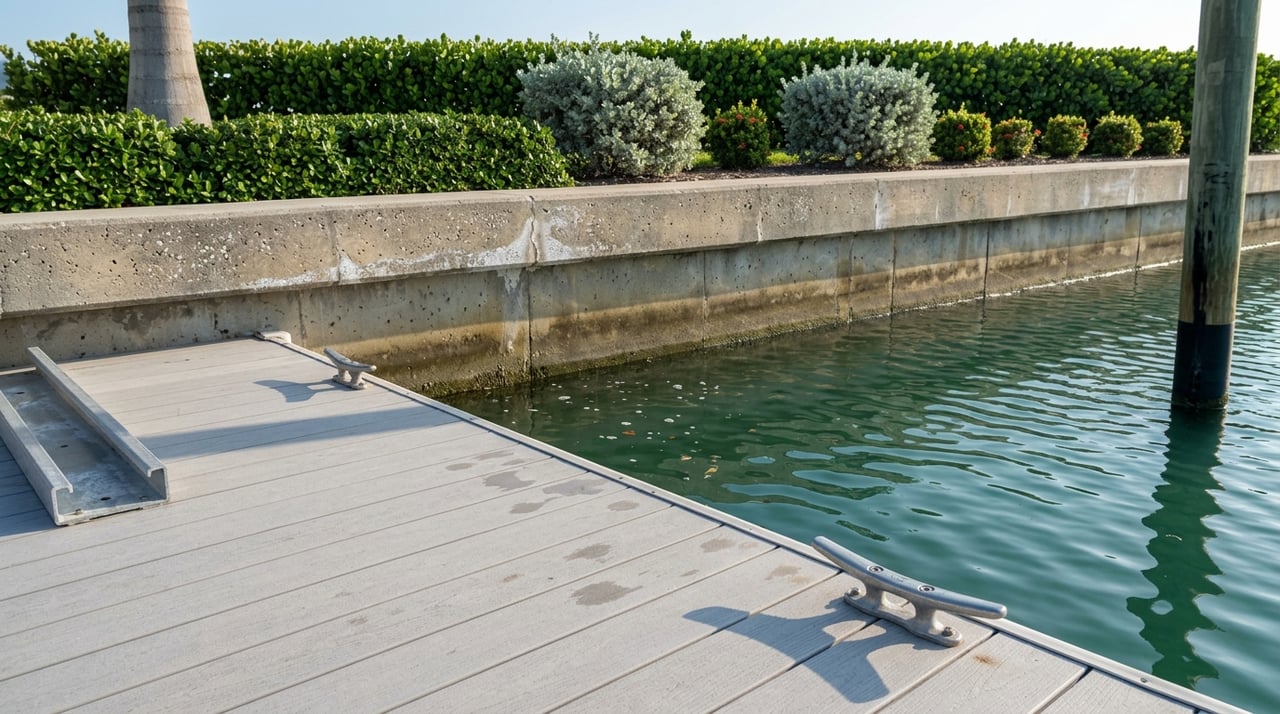
Because Lighthouse Point’s waterfront is largely engineered rather than natural, maintenance is not optional. The city’s comprehensive plan notes that the canal system is man-made and bulkheaded, with no natural beaches or estuaries in the city.
In practical terms, you should treat the seawall, dock, lift, and related hardscape as maintained assets. If you buy waterfront, you are not just buying access to the water. You are also buying the long-term responsibility of keeping those improvements in shape.
Waterfront homes can be rewarding, but they come with a few issues that deserve close review during your due diligence period. The goal is not to avoid waterfront. It is to understand the property well enough to make a smart decision.
The city states that Lighthouse Point is in a flood-prone area and directs buyers to FEMA flood maps and elevation certificate resources. The city also notes that it is in a mandatory evacuation area for Category 3 and stronger storms.
Its resiliency information adds that coastal flooding risk can increase with sea level rise, stronger storms, heavier rainfall, and extreme heat. For you, that means flood risk is not just an insurance question. It is also a livability and preparedness issue.
A waterfront address does not guarantee your boat will work there. The city’s dock checklist and Broward County aquatic and wetland license forms focus on dock dimensions, water-body width, vessel draft, and shoreline conditions.
That should tell you something important. Before you buy, confirm that the dock, canal, and route to open water fit the actual vessel you plan to keep there, not just the idea of boating in general.
NOAA identifies Hillsboro Inlet as one of the inlets connecting the Intracoastal Waterway to the Atlantic in Southeast Florida. That reinforces the fact that access is route-specific. A home can have frontage and still not be the right match for your boating needs.
If you are comparing bigger move-up homes, there is another point to verify. Broward County requires building safety inspections for buildings that are more than 25 years old and larger than 3,500 square feet, while single-family homes, duplexes, and buildings under 3,500 square feet are exempt.
This can affect timing, repair planning, and negotiations on certain larger waterfront properties. It is one more reason to review the home’s size, age, and documentation early.
Survey and permit paperwork can shape your risk more than you might expect. The city’s dock permit FAQ says a survey older than 12 months can trigger a zoning affidavit, and a re-deck or dock permit requires DEP approval, a building application, and survey copies.
For you as a buyer, this means permit history and survey currency should be part of your review before closing. Missing paperwork or outdated records can make future projects slower and more expensive.
With all of that said, there is a reason buyers keep pursuing waterfront in Lighthouse Point. The upside is real, especially if you plan to use the waterfront lifestyle often.
The city highlights direct access to the Intracoastal Waterway, proximity to Hillsboro Inlet, parks, bike paths, and quiet tree-shaded surroundings. For many buyers, that means the value is not limited to weekends or special occasions.
If you are a boater, waterfront here can offer daily convenience instead of vacation-only appeal. That changes the equation because you are paying for access you may use regularly, not just admire from a patio.
Lighthouse Point is already largely built out, with few vacant lots remaining. While that does not guarantee appreciation, it does suggest that future supply is limited.
For resale, that can matter. Well-located waterfront homes may continue to appeal to buyers who specifically want water views, dock access, and a boating-oriented setting, even if those buyers accept higher carrying costs.
For some buyers, the better question is not whether waterfront is attractive. It is whether the added cost and complexity are worth it for the way you actually plan to live.
A non-waterfront home in Lighthouse Point can still give you the city’s residential feel, central Broward location, and water-oriented identity without the same level of insurance, shoreline maintenance, and permit complexity. Waterfront may be the right move if boating access and canal frontage are central to your lifestyle. If not, a non-waterfront home may offer a simpler ownership experience.
Before you move forward on a waterfront property, make sure you cover the basics with a clear eye on cost, fit, and future ownership.
Buying waterfront in Lighthouse Point is best viewed as a lifestyle purchase with infrastructure attached. You are paying for boating convenience, water access, and a scarce setting in a built-out city, but you are also taking on the realities of flood exposure, insurance, seawall condition, dock fit, and maintenance.
If that lifestyle is a priority for you, the tradeoff may be well worth it. The key is to underwrite every waterfront feature with the same care you give the house itself, so you can move forward with confidence instead of surprises.
If you want help comparing waterfront and non-waterfront options in Broward County with a practical, numbers-minded approach, connect with Klaus Gonche for a quick consult.
Stay up to date on the latest real estate trends.