Coral Springs Lifestyle Guide to Parks, Dining, and Daily Life
July 16, 2026
July 16, 2026
Wondering what everyday life in Coral Springs actually feels like before you move? That is a smart question, because a city can look great on paper and still feel very different once you start thinking about your daily routine. In Coral Springs, life tends to center on parks, practical shopping, local dining, and neighborhoods designed for day-to-day convenience. If you want a clearer picture of how people spend their mornings, afternoons, and evenings here, this guide will walk you through it. Let’s dive in.
Coral Springs is a sizable suburban city with about 134,394 residents, and daily life reflects that scale. You get a strong neighborhood feel, but you also have enough parks, recreation, and shopping options to keep your routine flexible.
The city has a 60.3% owner-occupied housing rate, which helps explain why so much of life here is built around home, recreation, and local errands. With a mean one-way commute of 29.9 minutes, many residents plan their days around road travel, then spend their free time close to home.
One of the clearest things about Coral Springs is how much the park system shapes everyday life. The city maintains 49 parks, and those spaces support everything from early walks and workouts to organized sports and casual family time.
If you picture a typical morning here, it is easy to imagine people heading to a local park before work or school. That might mean a jog on a fitness track, a quick tennis session, or time at a playground before the day gets busy.
Cypress Park is one of the city’s standout recreation spots. The 46-acre park includes five baseball fields, four soccer fields, pickleball, a playground, and a fitness track.
That mix makes it a strong example of Coral Springs’ active, sports-oriented lifestyle. If you like having room to move and a place to build routines outdoors, this kind of park access can be a big part of daily life.
Turtle Run Park is another useful snapshot of the local rhythm. It includes athletic fields, pickleball and tennis courts, picnic space, and outside fitness equipment.
It works well for people who want options in one place. You can stop by for exercise, open play, or a low-key afternoon outside without needing a full day plan.
Coral Springs offers more than residential streets and green space. The city’s recreation system includes summer camps, after-school programs, sports leagues, and a range of community programming that keeps afternoons active.
That matters if you are trying to picture how the city functions beyond weekends. Many residents are not driving somewhere far for activities. Instead, a lot of daily life happens through local facilities that are already built into the city’s routine.
Cypress Hammock is a good example of how many uses can come together in one place. It combines tennis, a swimming pool, a water playground, a nature area, and walking trails.
For many buyers, that kind of setup says a lot about quality of life. You can fit different interests into one stop, which makes everyday planning simpler and gives you more ways to enjoy your free time nearby.
Betti Stradling Park adds another layer to the local recreation picture. It includes Splash-N-Play, a skate park, athletic amenities, and walking trails.
This is the kind of place that helps explain why Coral Springs often appeals to buyers looking for activity close to home. The city’s recreation pattern is not built around one major attraction. It is built around many useful places spread throughout the community.
If you think suburban living means limited options, Coral Springs has a few notable exceptions. The Aquatic Complex alone reports more than 600,000 visitors a year and includes a competition pool, diving wells, swim lessons, and a fitness center.
That kind of usage shows how central recreation is to the city’s identity. It is not just a nice extra. It is part of how many residents structure their week.
The city also supports arts and cultural programming through the Center for the Arts and the Coral Springs Museum of Art. Together, those spaces add more variety to local life and give residents things to do beyond sports, errands, and dining.
Unlike places with one historic downtown strip, Coral Springs tends to organize dining and shopping around a few commercial hubs. That creates a lifestyle that feels practical and easy to navigate, especially if you prefer convenience over a more crowded urban setup.
Many evening routines here are simple. You run errands, meet friends or family for dinner, and stay close to your neighborhood rather than planning your whole night around one destination.
The Walk of Coral Springs is one of the city’s best-known retail and dining anchors. It sits in the heart of the city and offers dozens of restaurants and shopping options.
For someone exploring Coral Springs for the first time, this is one of the easiest places to understand the local social rhythm. It brings together everyday convenience and casual going-out options in a way that fits how many suburban buyers want to live.
Coral Springs also has dining options that feel a bit more polished than a standard retail corridor. Visit Lauderdale highlights The Cook & The Cork for eclectic food along with wines, craft beers, and sake.
That detail matters because it rounds out the city’s lifestyle profile. You are not limited to purely functional dining choices, and that gives everyday life a little more texture.
Coral Springs is still a car-oriented city, and that will shape your day-to-day experience. Major road corridors like University Drive, Coral Ridge Drive, State Road 7, Riverside Drive, and Royal Palm Boulevard carry a lot of activity, and commuting can slow down on those main routes during peak hours.
At the same time, local errands are often easy to string together because shopping, dining, and recreation are distributed throughout the city. For many residents, that trade-off works well. You drive more, but you can often keep your routine efficient.
The city also offers a free community shuttle for residents and visitors. It runs Blue and Green routes on a roughly hourly schedule, which can be a useful convenience for short local trips and errands.
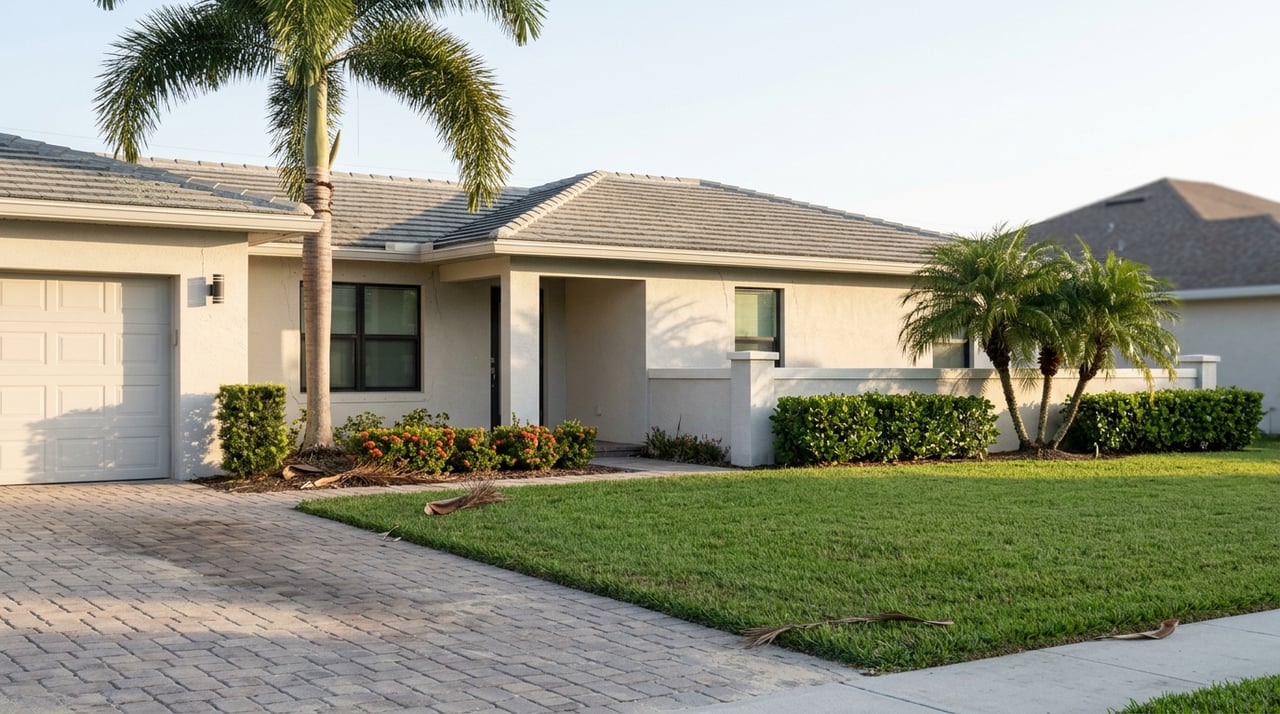
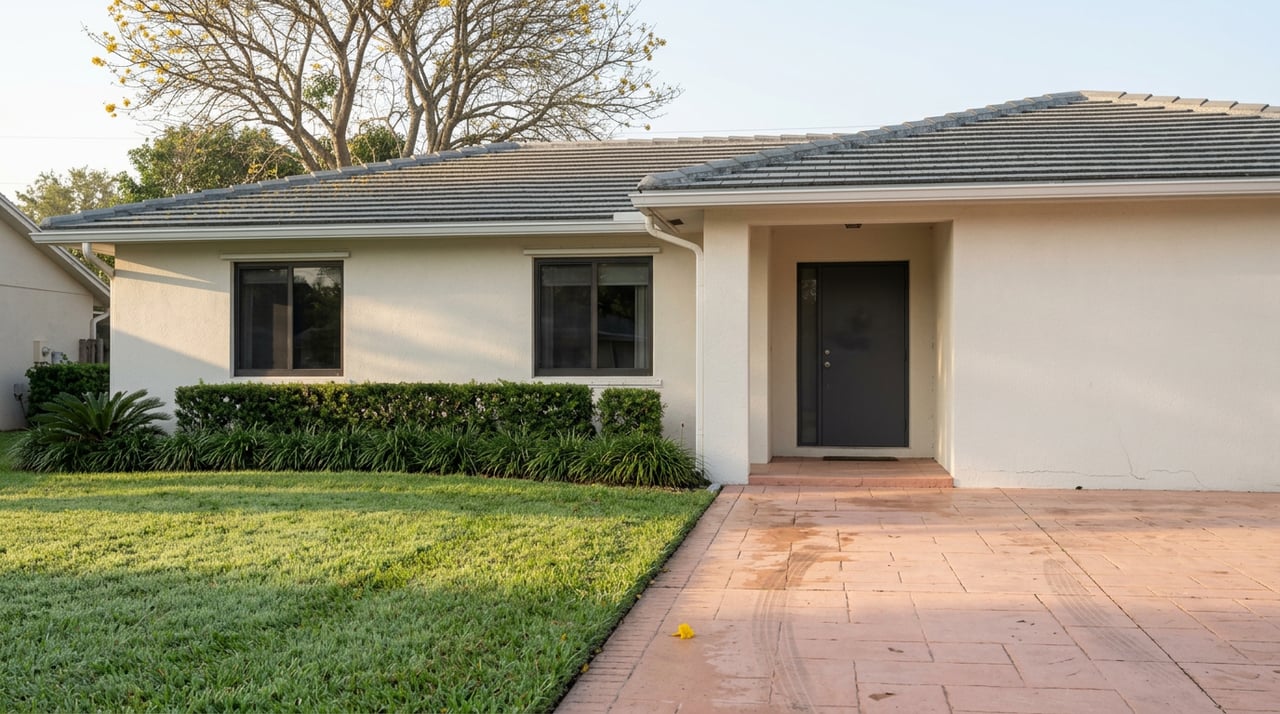
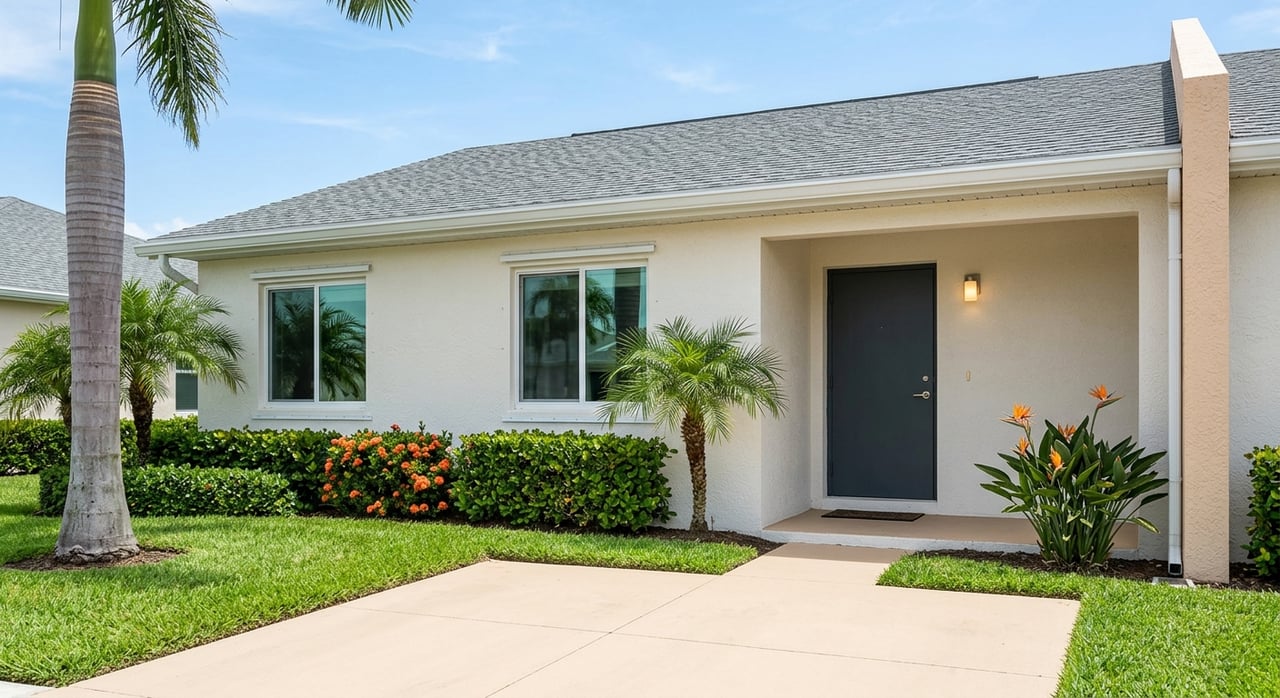
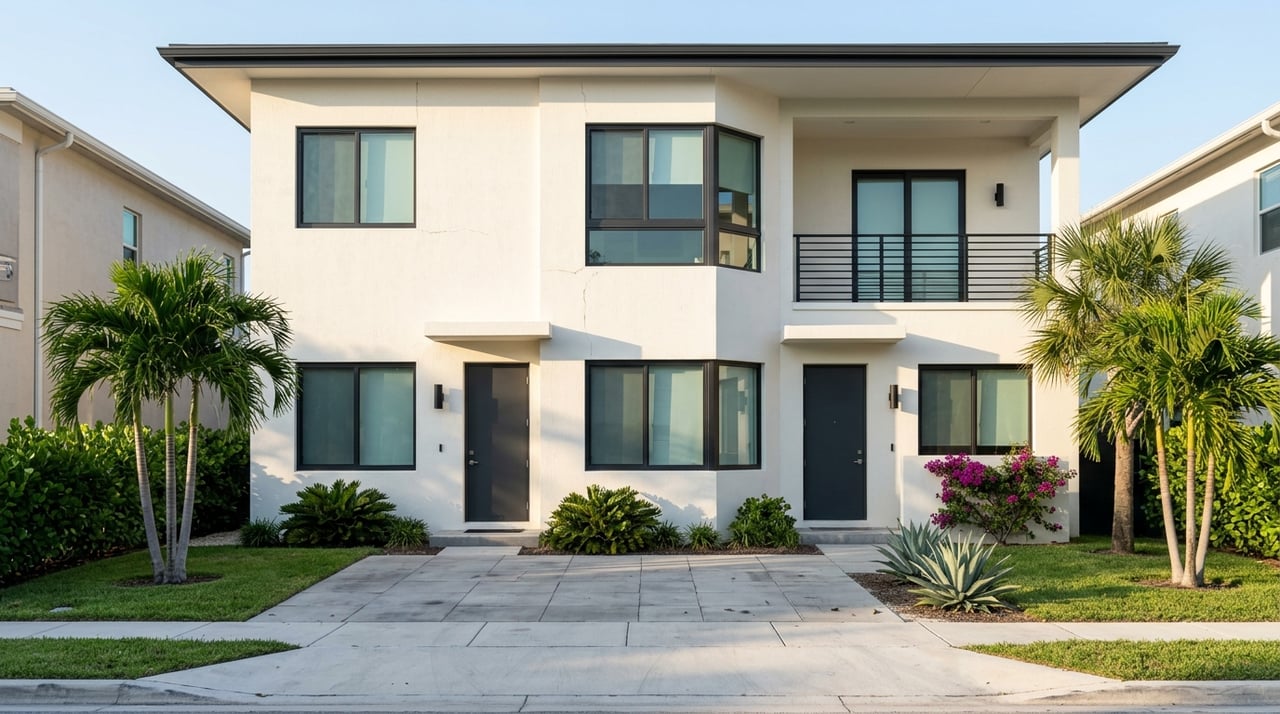
Coral Springs offers a balanced mix of housing types, and that supports different kinds of lifestyles. City planning documents call for a mix of single-family and multi-family housing, which helps explain why the city can appeal to buyers looking for either space or lower-maintenance living.
In practical terms, traditional single-family neighborhoods remain a major part of the city’s identity. At the same time, the downtown CRA area near Sample Road and University Drive adds a more mixed-use setting with some more compact housing options.
That downtown area covers about 136 acres and includes a Downtown Mixed-Use Zoning District. If you want a home base closer to dining, errands, and a slightly more connected street pattern, that part of Coral Springs may feel different from the more established residential areas.
For many buyers, Coral Springs works because it offers a clear everyday value. You get a city with a strong park system, broad recreation options, practical shopping, local dining, and housing choices that support different stages of life.
It can be especially appealing if you want a routine built around usable amenities rather than tourist-style attractions. The city’s identity is less about spectacle and more about consistency, convenience, and having places you will actually use during the week.
That is often what matters most once the move is over. You want a place that supports your real life, not just your weekend plans.
If you are comparing neighborhoods, home styles, or lower-maintenance options in Coral Springs, working with an advisor who understands both the lifestyle side and the numbers can help you move faster and make a more confident decision. For a local, practical conversation about buying, selling, renting, or investing in Broward County, connect with Klaus Gonche.
Stay up to date on the latest real estate trends.