Exploring the Best Coral Springs Family Neighborhoods
May 7, 2026
May 7, 2026
If you are searching for a South Florida city that feels organized, active, and easy to live in day to day, Coral Springs stands out fast. Many young families are drawn to places where housing, parks, schools, and routines fit together without feeling chaotic. Coral Springs offers that kind of structure, along with a wide mix of homes and amenities that support everyday life. Let’s dive in.
One reason Coral Springs appeals to young families is that it was developed as a planned community. The city describes itself as a 25-square-mile South Florida community with roots as a “city of the future,” and that history still shows up in how the area feels today.
Instead of revolving around one dense downtown core, Coral Springs is organized around subdivisions, parks, schools, and civic spaces. For many buyers, that creates a more predictable rhythm for errands, school runs, recreation, and weekends close to home.
Coral Springs is not just a place where people sleep and commute. It has the kind of layout that helps you build a routine around nearby essentials, which matters when you are balancing work, school schedules, and activities.
The city’s own structure supports that lifestyle. Parks, public facilities, schools, and recreation hubs are spread throughout Coral Springs, so many families can stay local for large parts of the week.
The local demographics help explain why so many buyers with children look closely at Coral Springs. According to Census QuickFacts, 25.8% of residents are under 18, the average household has 3.01 people, and 60.3% of housing units are owner-occupied.
Those numbers suggest a city with a strong base of established households. Census data also reports a median household income of $93,602 and a median value of owner-occupied homes of $545,400, which gives you a useful starting point when thinking about budget and long-term fit.
For many young families, school access is a major part of the home search. In Coral Springs, schools are located across the city rather than concentrated in just one section, which can make several areas worth considering depending on your address and priorities.
Broward County Public Schools assigns students to home-boundary schools by address. The district also offers School Choice options, including general reassignments, magnet programs, and Nova schools, and its school locator is the official tool to confirm an assigned school.
Across Coral Springs, examples of school locations include Coral Springs Elementary on NW 110th Avenue, Westchester Elementary on Royal Palm Boulevard, Coral Springs High on W Sample Road, and Coral Glades High on Sportsplex Drive. Coral Springs Charter School, established through a joint effort of Charter Schools USA and the City of Coral Springs, describes AP and Cambridge pathways in its official materials.
One of the clearest reasons families choose Coral Springs is the depth of city-run recreation. The Parks and Recreation department manages programs and facilities for all ages, including summer camps, after-school programs, the Coral Springs Gymnasium, the Tennis Center, and the Aquatic Complex.
The Aquatic Complex alone serves more than 600,000 visitors each year, according to the city. It includes swim lessons, a competition pool, diving wells, and a fitness center, which gives families more than one reason to use it throughout the year.
Sportsplex is one of the city’s biggest recreation anchors. It brings together athletic fields, courts, trails, playgrounds, and open space in one area, making it a practical hub for busy households.
The city also notes that Sportsplex sits near Coral Glades High School, Sawgrass Springs Middle School, Sawgrass Nature Center, and the Florida Panthers IceDen. That kind of clustering can make it easier to combine sports, school, and weekend outings without driving all over Broward.
Not every family is looking for structured activities every weekend. Coral Springs also offers simple outdoor spots that work well for playtime, cooling off, or getting outside for a walk.
Betti Stradling Park includes Splash-N-Play, which the city describes as the largest water play area in Coral Springs and free to use. Cypress Water Park offers a seasonal pool, splash pad, and slide, while Tall Cypress Natural Area provides a 68.36-acre natural setting with a nature trail.
Another reason Coral Springs works well for young families is that it is easy to think about the city in livable pockets instead of as one uniform market. That can help you narrow your search based on the kind of routine, home style, and nearby amenities you want.
Useful reference points for newcomers include the central Forest Hills and Kiwanis area, the Ramblewood corridor, the Sportsplex and Wiles corridor, and the Turtle Run and Tall Cypress area. These are practical ways to understand how different parts of Coral Springs may feel in everyday life.
A common mistake is assuming every part of Coral Springs works the same way. In reality, HOA and neighborhood association rules can vary a lot by subdivision, so it is important to verify details on a case-by-case basis.
The city’s Neighborhood Partnership Program has worked with more than 130 formal neighborhood partnerships, and city guidance notes that HOAs may have stricter rules than the city itself. Drainage district information also shows a mix of city-managed, district-managed, and private or HOA-managed areas.
That matters because two homes in the same city can come with very different maintenance standards, approval processes, or design rules. The city’s roof guidelines even identify specific subdivisions approved for asphalt shingles, while others may require different standards or ARC review.
Coral Springs is not a one-price market. Recent data places typical home values in the low-to-mid $500,000s, but exact pricing depends on the source, property type, and neighborhood.
The Census Bureau reports a median owner-occupied home value of $545,400. More recent market snapshots also put the city in a similar band, with Redfin reporting a March 2026 median sale price of $560,000 and Zillow showing a March 31, 2026 home value estimate of $520,102.
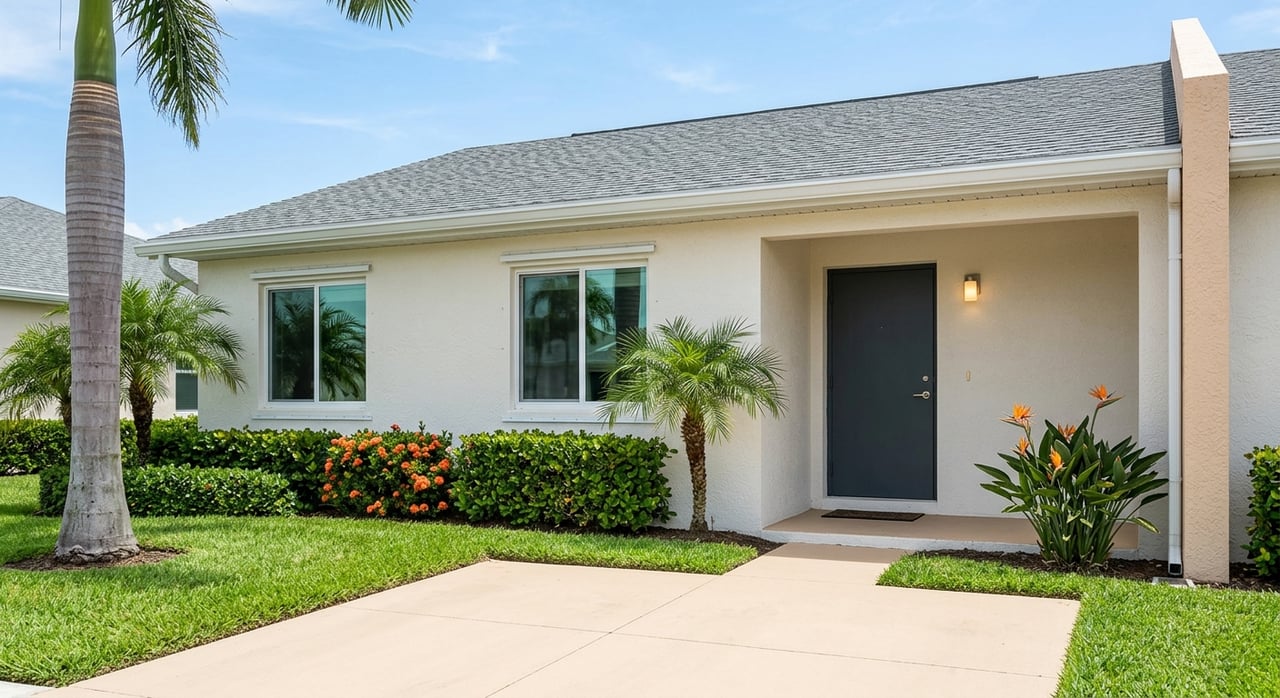
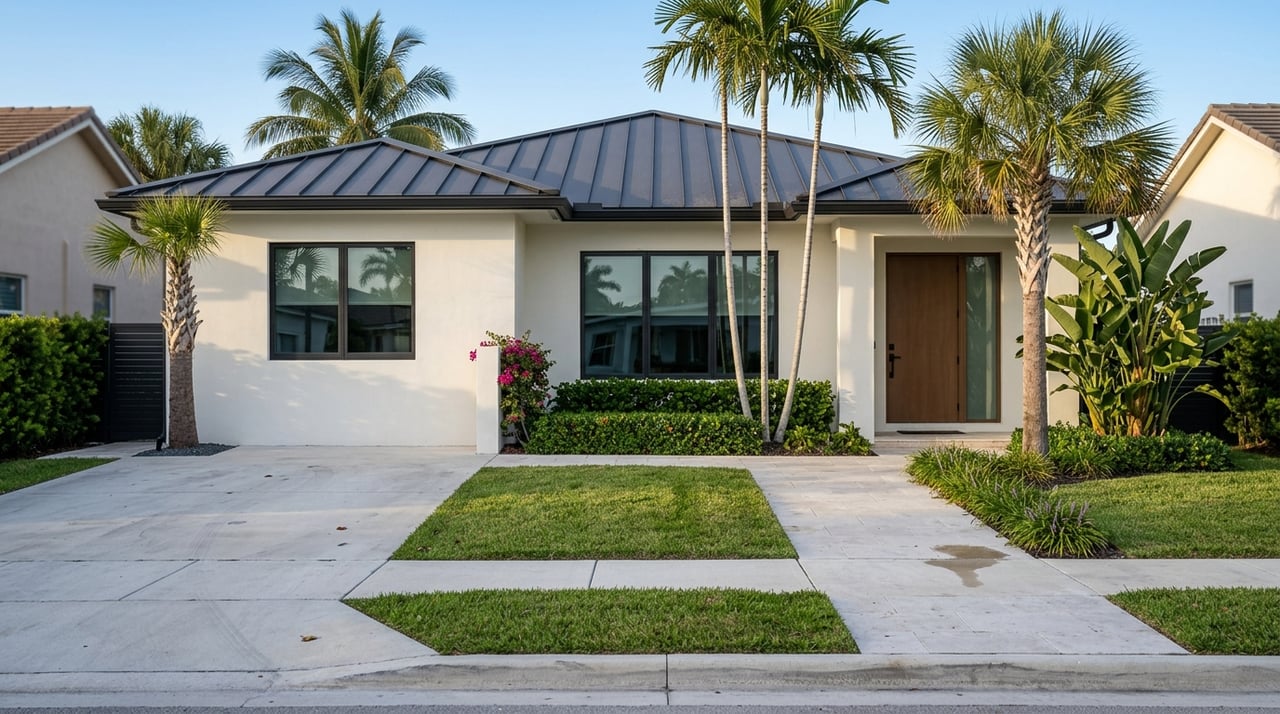
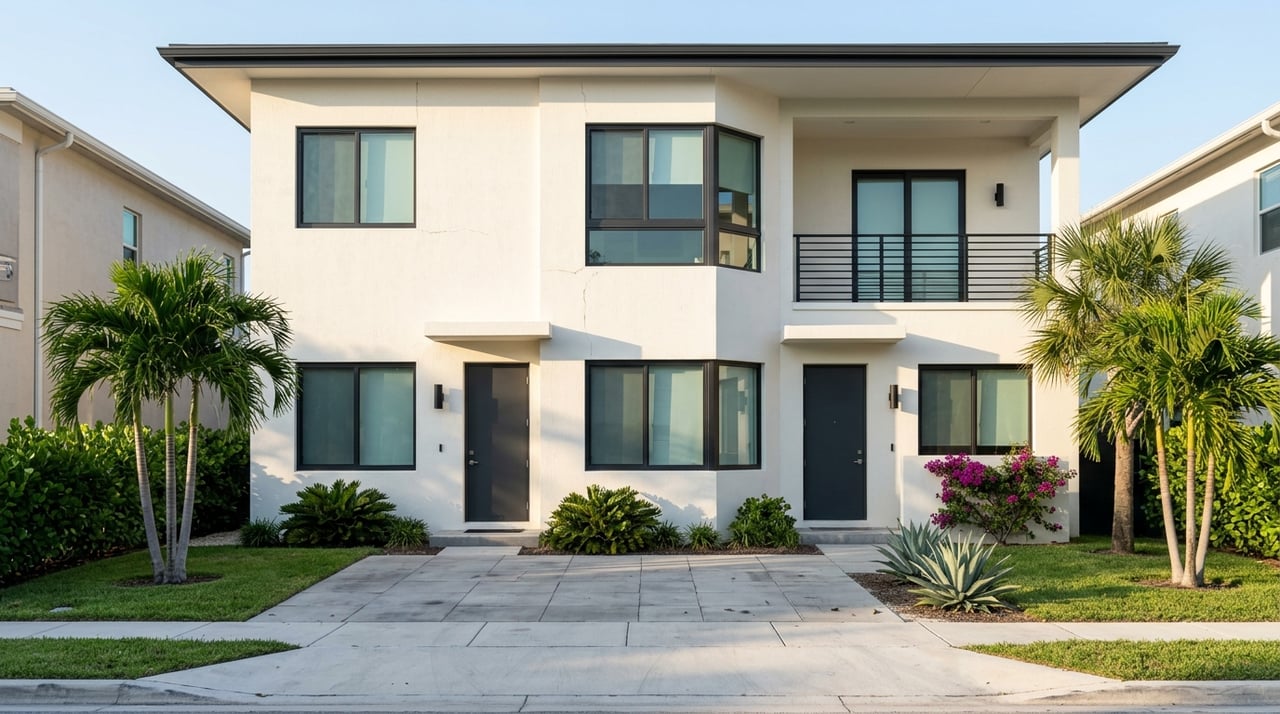
For buyers, the bigger takeaway is that Coral Springs offers a mix of condos, townhomes, established single-family neighborhoods, and larger homes in certain pockets. That range gives young families more than one path into the market, whether you are prioritizing space, budget, or long-term flexibility.
In a fast-moving region, many buyers appreciate a market that feels more balanced. Realtor.com’s March 2026 snapshot described Coral Springs as a balanced market, with homes selling for 2.67% below asking on average and 799 homes for sale.
That does not mean every home is easy to win or every deal is simple. It does mean buyers may have room to compare options more carefully, especially when they understand which subareas best match their goals.
When you put it all together, Coral Springs makes sense for buyers who want a city where day-to-day life can stay manageable. The planned layout, city-run recreation, multiple school options, and subdivision-based housing pattern all support a routine that feels local and organized.
For many young families, that combination is hard to ignore. If you want help comparing Coral Springs neighborhoods, weighing HOA versus non-HOA options, or finding the right fit for your budget, Klaus Gonche can help you move with clarity and confidence.
Stay up to date on the latest real estate trends.