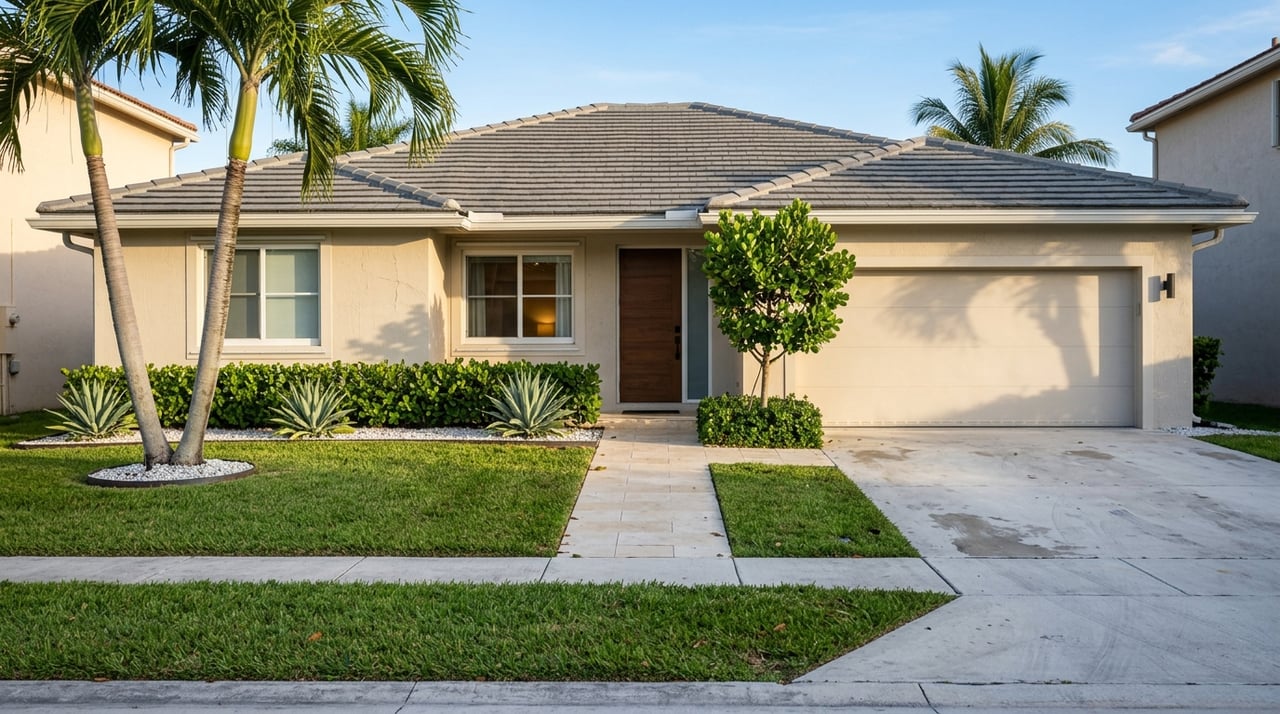
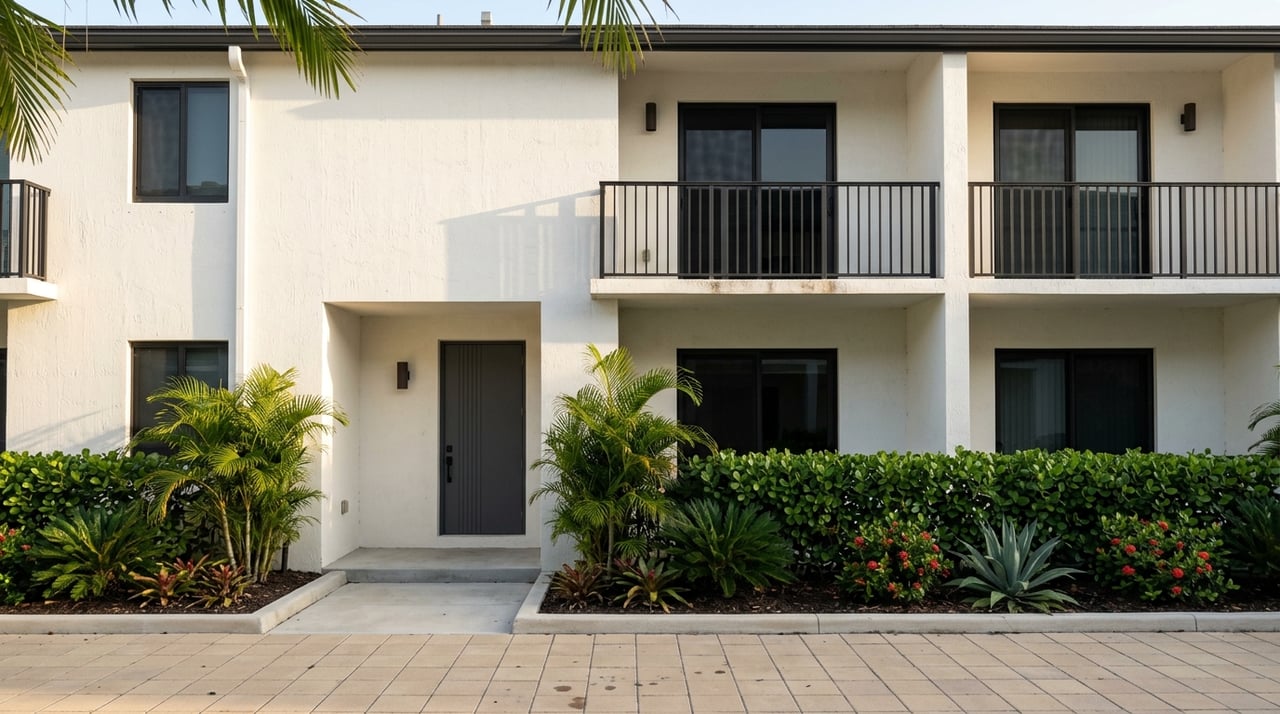
Thinking about buying a rental in Coconut Creek and wondering what it will really cash flow? With shifting rents, higher insurance across South Florida, and HOA rules that change by community, it is easy to overestimate returns. In this guide, you will get current rent ranges, vacancy context, essential city and HOA rules, real carrying costs, and a simple pro forma you can reuse on any deal. Let’s dive in.
Why Coconut Creek works for small investors
Coconut Creek is a Broward suburb with about 59,700 residents and a higher owner-occupancy profile than many nearby coastal cities. That stability helps support long-term rental demand from local workers and families. You will also see a balanced mix of parks, shopping, and commuter access to Fort Lauderdale, Pompano Beach, and Deerfield Beach.
According to U.S. Census QuickFacts, owner-occupied housing is about 64.9% and the reported median gross rent is around $2,011. These figures help explain why long-term leases remain the dominant play here and why quality rentals stay in demand. You can verify the city snapshot on the Census page for Coconut Creek QuickFacts.
What renters pay today
Recent rent snapshots across multiple aggregators show Coconut Creek apartments averaging in the low to mid two thousands per month, with wide variation by floor plan and building.
- RentCafe reports an average rent near $2,354, with typical figures around $2,047 for 1-bedroom, $2,446 for 2-bedroom, and $2,904 for 3-bedroom units. You can review their latest city summary at RentCafe’s Coconut Creek rent trends.
- Other listing datasets place the city average near the mid two thousands. The spread across platforms is normal since each uses different samples.
Practical underwriting band: for most long-term units in average to good condition, assume about $1,900 to $2,200 for 1-bedrooms and $2,200 to $2,700 for 2-bedrooms. Always confirm with three to six live comps the day you underwrite.
How Coconut Creek compares nearby
Across Broward, nearby cities like Pompano Beach and Deerfield Beach show similar pressure in the mid two thousands for apartments. On a bed-by-bed basis, Coconut Creek often tracks slightly higher or comparable to these neighbors. The key is micro location and building quality, so anchor your rent checks by ZIP code and by specific complex.
HUD benchmarks for context
HUD Small Area Fair Market Rents for Broward County place many ZIP codes in the $2,300 to $2,400 range for a 2-bedroom, which helps you sense a market floor and test voucher-supported demand. Review ZIP-level figures using the county table on HUD SAFMR for Broward County.
Vacancy and supply: what to expect
Nationally, multifamily performance softened through 2024 and 2025 as new supply delivered, and South Florida felt competitive pressure in select submarkets. Lease-ups pulled attention from existing product, while renewals remained important for occupancy. For new or poorly marketed units, build in a conservative vacancy assumption. See a clear summary of these dynamics in the industry update by Jay Parsons: Summer rent slump and new supply context.
- Practical baseline: model 6% vacancy for stabilized long-term rentals, then test 7% to 8% in your sensitivity case, especially if you are entering lease-up season or competing with newer stock.
Rules that can change your returns
Short-term rental requirements
Coconut Creek requires vacation rentals to register and obtain a Vacation Rental Certification. The process includes life and safety inspections, proof of state and county tax registrations, application and inspection fees, and annual renewal by September 30. The city also makes clear that private covenants still control. If your HOA or condo documents prohibit short-term rentals, that ban stands. Review the city’s program at Coconut Creek Vacation Rental registration.
Key takeaway: if you plan to run Airbnb or VRBO, treat Coconut Creek as compliance heavy. Confirm both city registration requirements and written HOA permission before you bid.
HOA and condominium restrictions
Many Coconut Creek properties sit inside HOAs or condominiums. Community documents often set rental caps, minimum lease terms, tenant screening, and other conditions that directly affect your income plan. Florida’s Condominium Act outlines association powers and enforcement. Read the statutory framework here: Florida Statutes, Chapter 718, Condominiums.
Common items to watch in the docs:
- Rental caps that limit the share of units that can be leased at once
- Minimum lease lengths, often 30, 60, 90, or 365 days
- Tenant registration or approval requirements and fees
- Pet, parking, and guest policies that can change tenant appeal
- Special assessments for capital work that can impact cash flow
Practical rule: never price a deal on market rent alone. Model with the association’s rental cap, the required minimum lease term, and an allowance for potential assessments.
Taxes, insurance, and recurring costs in Broward
Budget these line items with care. They are the most common reason a good-looking gross yield turns into a thin net yield.
- Property taxes: A countywide effective rate around 0.9% to 1.2% of assessed value is a useful starting point. Confirm parcel-level numbers with the Broward Property Appraiser at BCPA parcel information and use a general calculator like SmartAsset’s Florida property tax page for ballparks.
- Insurance: Florida premiums are elevated versus national norms, and South Florida is often higher than the state average. Recent reporting shows homeowner premiums moving in the $3,500 plus range statewide, with Tri-County areas higher in many cases. Plan for volatility and possible annual increases. See a local overview at Broward insurance cost trends.
- HOA or condo dues: Fees vary widely, from roughly $150 to over $800 per month depending on amenities, building insurance, and reserves. These dues can compress your net operating income very quickly.
A quick underwriting checklist you can reuse
Work through this list before you write an offer:
- Pull three to six live rent comps by ZIP code or complex and confirm actual lease terms.
- If tenant occupied, collect the rent roll, executed lease, and security deposit records.
- Request the full association package: declaration, bylaws, rules, rental policy, the last 12 months of meeting minutes, current budget, latest reserve study, insurance certificate, litigation disclosures, and rental-cap data.
- Confirm city requirements if you plan any short-term rental activity. Start with Coconut Creek’s Vacation Rental program.
- Verify assessed value, millage, and exemptions with the Broward Property Appraiser at BCPA.
- Obtain insurance quotes from at least two carriers. Do this early in South Florida.
- Set vacancy and turnover assumptions based on building quality and current market context. For background, see the multifamily update on new supply and renewals.
Example pro forma: a 2-bedroom baseline
Use this simple framework to sanity check a deal. Numbers below are illustrative and align with recent Coconut Creek benchmarks for a typical 2-bedroom.
- Purchase price baseline: $284,000, aligned with a widely followed home value index for Coconut Creek’s mid to high two hundreds.
- Market rent assumption: $2,300 per month based on a blended view of recent 2-bedroom ranges.
- Vacancy allowance: 6%.
- Property tax: 1.0% of purchase price, about $2,840 per year as a starting point. Always confirm the parcel’s actual assessment.
- Insurance: $3,500 to $6,000 per year. Model the mid case at $4,500 and stress test higher.
- Management: 8% of effective rent.
- Maintenance and capital reserve: 6% of effective rent.
- Utilities and other owner-paid costs: $1,200 per year placeholder.
- HOA dues if a condo: add the actual figure. For example, $300 per month equals $3,600 per year.
Illustrative math without HOA dues:
- Gross scheduled rent: $2,300 x 12 = $27,600
- Effective gross income at 6% vacancy: about $25,944
- Estimated operating expenses: tax $2,840, insurance $4,500, management $2,075, maintenance $1,556, utilities $1,200
- Estimated net operating income: about $13,773
- Implied cap rate on $284,000: roughly 4.8%
If you add a $300 per month HOA, NOI falls to about $10,173 and the cap rate drops near 3.6%. The gap shows why line-by-line costs matter as much as price and rent.
Sensitivity tests to run on every deal
- Increase vacancy by 100 to 200 basis points and check cash flow
- Raise insurance by 10% to 25% to reflect South Florida volatility
- Add a one-time special assessment between $5,000 and $30,000 for condos and see how it changes returns
- If you plan short-term rentals, haircut revenue for compliance risk, platform fees, and potential downtime while you secure city and HOA approvals
Strategy tips for small investors
- Prefer single-family or townhome deals when possible. They often come with simpler underwriting and fewer association constraints.
- If buying a condo, collect at least three years of meeting minutes, confirm owner-occupancy levels and any rental caps, and ask your lender about project eligibility if you plan to refinance or sell later.
- Keep a per-unit reserve equal to three to six months of expected NOI. Increase this if you see deferred maintenance or active litigation in the docs.
- Consider modest geographic diversification. Splitting purchases between inland Coconut Creek and other Broward submarkets can reduce exposure to local rule changes, insurance shocks, or a single area’s supply wave.
Your next step
A focused plan can turn Coconut Creek’s rent levels into steady long-term returns, but the details matter. If you want a second set of eyes on your comps, HOA package, or underwriting, connect with a local advisor who blends financial analysis with on-the-ground knowledge. To talk through a target property or map your next purchase, reach out to Klaus Gonche for investor-minded guidance across Broward.
FAQs
What are typical 2-bedroom rents in Coconut Creek right now?
- Most 2-bedrooms underwrite in the $2,200 to $2,700 range depending on condition, amenities, and micro location. Always verify with live comps in the same ZIP or complex on the day you run numbers.
How do Coconut Creek’s short-term rental rules affect Airbnb plans?
- The city requires registration, inspections, and annual renewal for vacation rentals, and HOA covenants still control, so you must secure both city certification and written association approval before operating; see the city program page at Coconut Creek Vacation Rentals.
What vacancy rate should I use for underwriting in Broward?
- A 6% baseline is reasonable for stabilized long-term units, with a test case at 7% to 8% since recent South Florida deliveries increased competition in some submarkets; review the multifamily update on new supply for context.
How much should I budget for property taxes in Coconut Creek?
- Start with about 0.9% to 1.2% of assessed value and then verify the exact parcel data with the Broward Property Appraiser at BCPA; new purchase prices can reset assessments, so model carefully.
What about insurance costs for rentals in South Florida?
- Premiums are higher than national averages and can change year to year; modeling $3,500 to $6,000 per year per property is common in Broward, and you should stress test increases; see Broward insurance cost trends.
Do HUD rent levels support voucher demand in Broward ZIP codes?
- Yes, HUD Small Area Fair Market Rents for Broward place many 2-bedroom ZIPs near $2,300 to $2,400, which helps indicate a rent floor and potential voucher alignment; see Broward SAFMR tables.