Parkland New Construction vs Resale: Which Should You Choose?
January 1, 2026
January 1, 2026
Thinking about buying in Parkland and torn between a brand-new build and a well-kept resale? You’re not alone. Your decision affects timeline, total cost, insurance, and how much flexibility you’ll have with features and finishes. In this guide, you’ll get a clear, local comparison of new construction and resale in Parkland so you can pick the option that best fits your goals and timeline. Let’s dive in.
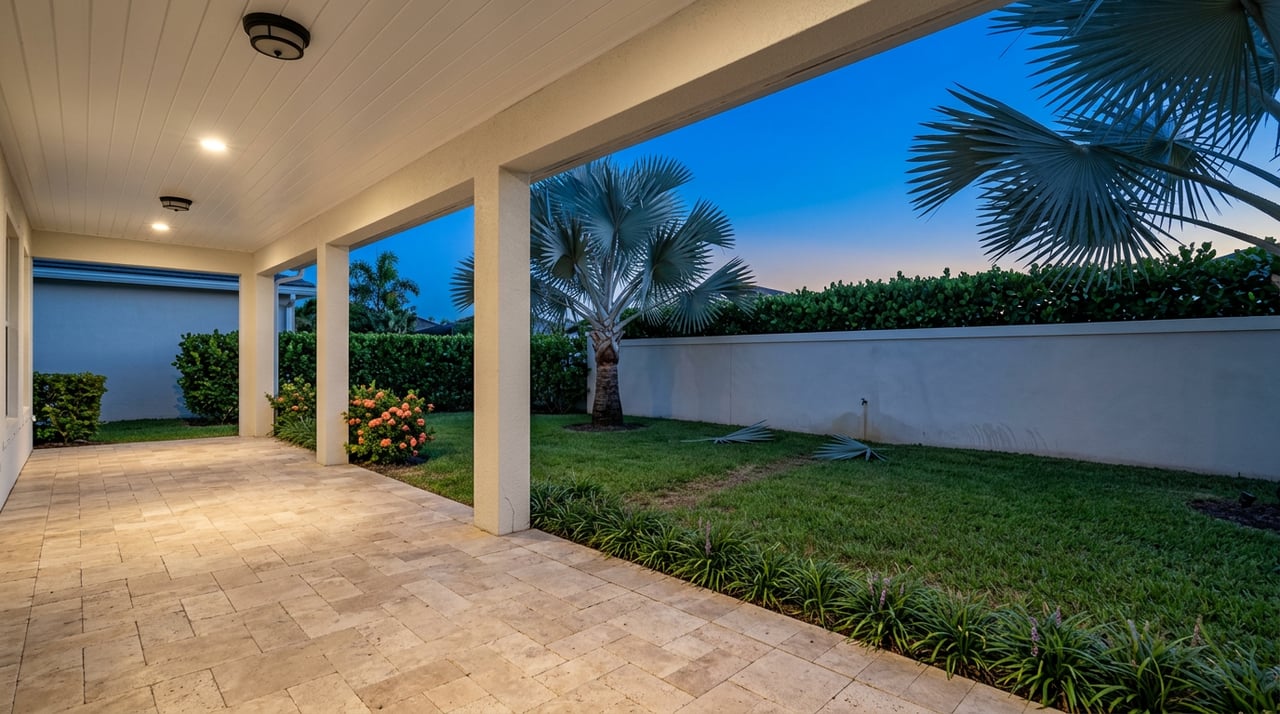
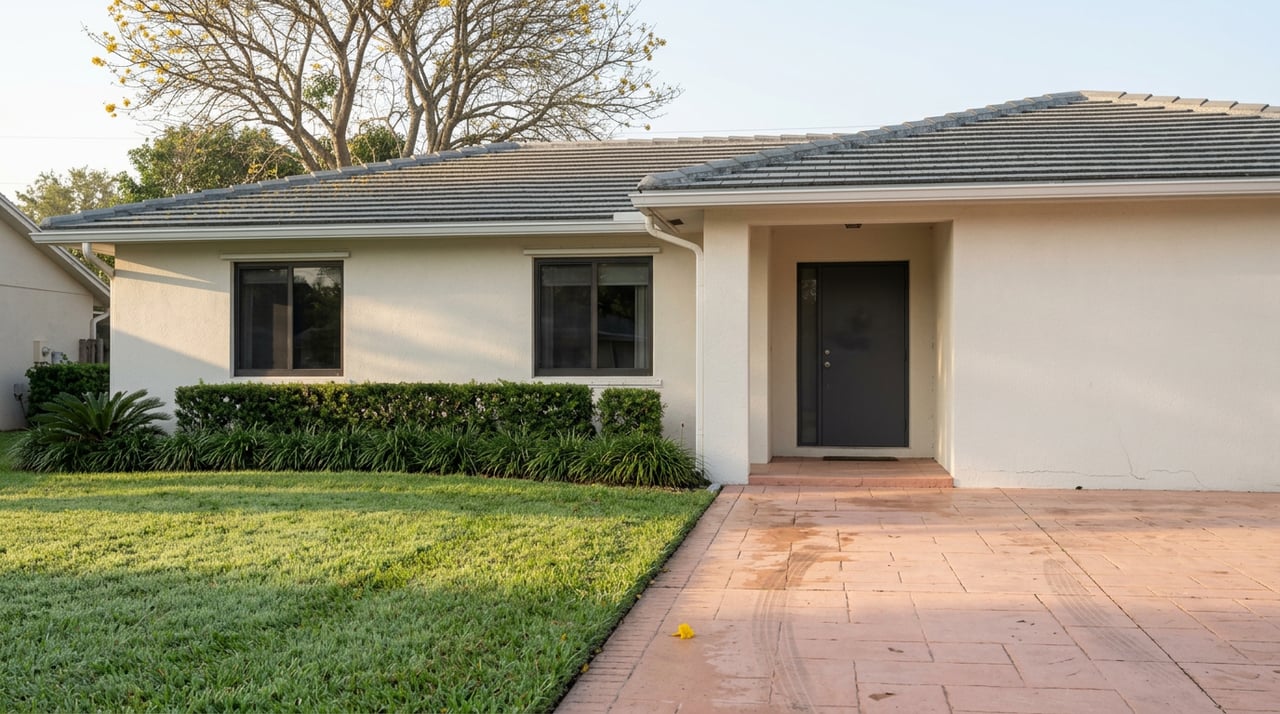
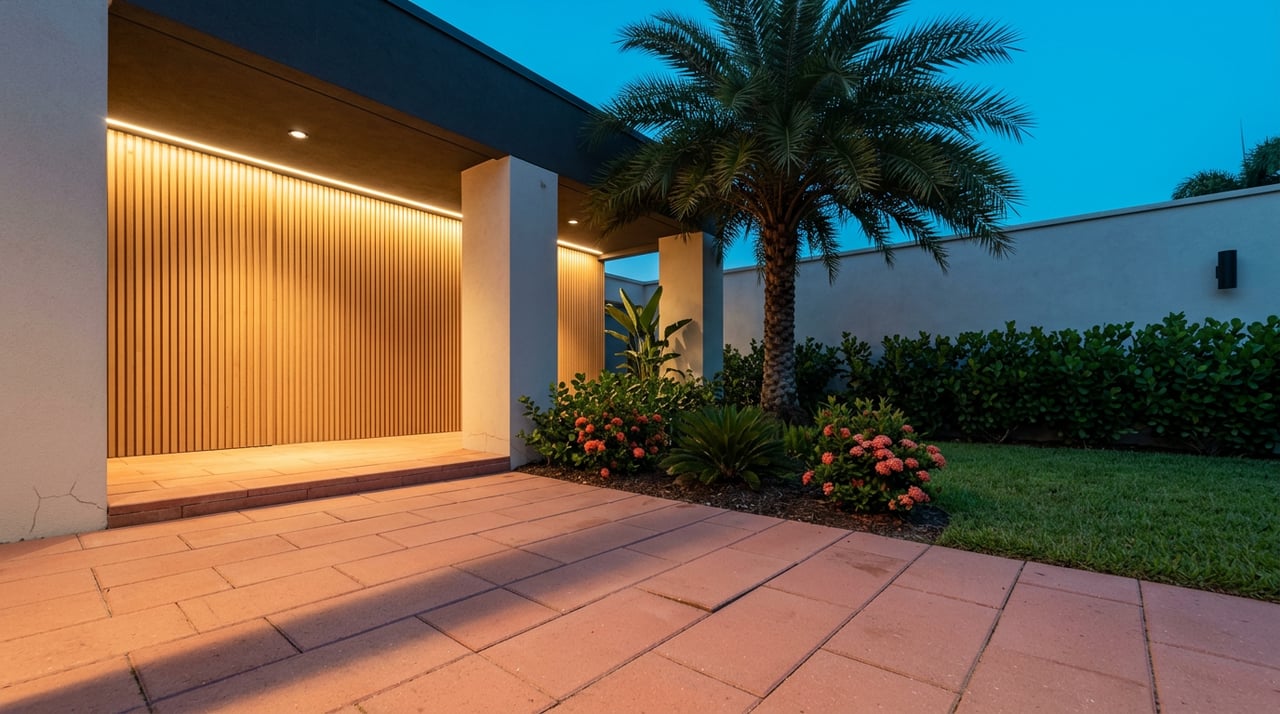
Parkland offers a low-density feel with many single-family neighborhoods, gated communities, and some larger estate lots. New homes tend to appear in infill subdivisions, gated enclaves, or redeveloped agricultural parcels, while some builders also release move-in ready spec homes. Many neighborhoods use homeowners associations that manage amenities, maintain common areas, and enforce design standards. New builds must meet current Florida Building Code, which sets hurricane and wind-borne debris standards.
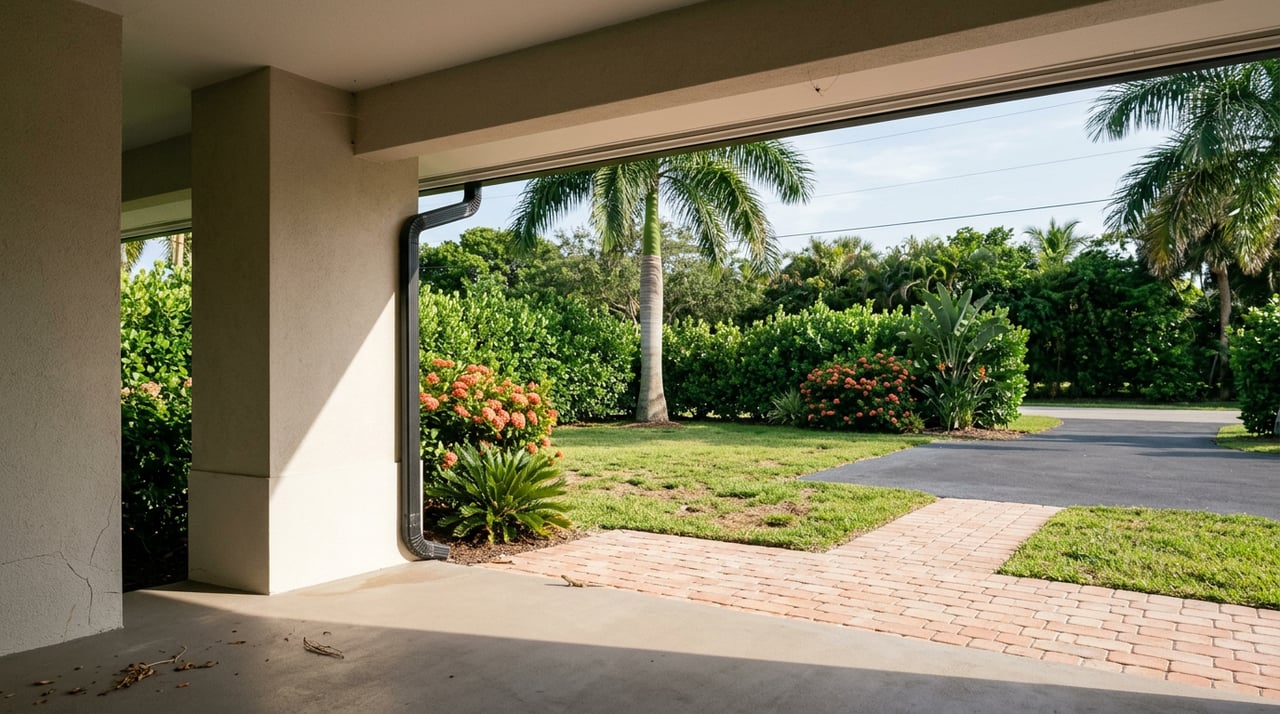
Parkland’s site conditions matter. Parts of Broward County experience localized flooding and specific stormwater rules, so it’s smart to check a property’s flood zone and elevation before you commit. Lot size, tree-preservation rules, and setbacks can also shape your build options and your long-term enjoyment of the property.
A typical resale purchase takes about 30 to 60 days from offer to closing when you finance the home. You’ll complete inspections, appraisal, title work, and, when applicable, review HOA documents during your contingency period. Cash purchases can close faster. Once you close, you usually get possession per the contract and can move in right away.
Move-in ready spec homes can sometimes close within 30 to 90 days, similar to resale. For semi-custom builds with a production builder, expect roughly 6 to 12 months from contract to completion. Fully custom builds often run 9 to 18 months or longer. Permitting, site prep, utilities, material lead times, weather, and change orders can stretch timelines, so build in buffer.
If you need to be in Parkland within 3 months, resale or a true move-in ready spec home usually fits best. If you can wait 6 to 18 months, new construction can deliver modern systems, warranties, and a layout tailored to your needs. Consider your current lease, school calendar, and rate-lock timing when choosing.
Your purchase price is only part of the equation. Plan for potential immediate or near-term expenses, such as paint, flooring, landscaping, or system upgrades. Older homes can carry deferred maintenance you will not fully see until thorough inspections. Your inspector and contractor estimates help clarify true total cost.
For new builds, look at base price, lot premium, standard features, and the upgrades you want. Common big-ticket upgrades include flooring, cabinetry, countertops, appliances, outdoor living, and any structural changes. Builders may use allowances for finishes, and you pay any overage above the allowance. Also plan for landscaping, irrigation, driveway details, and possible utility or connection fees.
Resale purchases usually use conventional, FHA, or VA loans with a 30 to 60 day close. For new construction, you might use a construction-to-permanent loan or a short-term construction loan that converts to permanent financing at completion. Some lenders require interest-only payments during construction. Rate locks are often timed to completion, so account for possible rate changes during the build.
Builders sometimes offer closing cost credits, rate buydowns through a preferred lender, or upgrade packages, depending on market conditions. Incentives can be valuable, but compare the net price and loan terms to make sure the overall numbers work for you. Location within the community and lot premium can also shape your negotiating leverage.
Many builders provide tiered warranties, often including a 1-year workmanship warranty, a 2-year systems warranty for major mechanicals, and a longer structural warranty that can extend up to 10 years. Coverage and exclusions vary by builder and by policy. Ask for the full warranty document up front and note how claims must be submitted and handled.
For resale, plan a general home inspection and add specialized inspections as needed, such as roof, HVAC, pool, or termite. For new construction, independent inspections at key stages are smart, such as pre-drywall and final. The final walkthrough should produce a written punchlist with clear timelines for completion. Keep records of repairs and communication for any warranty claims.
Many Parkland communities are HOA-governed and may include guard gates, shared amenities, and architectural controls. Fees vary based on amenities, landscaping scope, and security. Some developments also use community development districts, with separate line items on property tax bills. For resale, request the HOA packet during your contingency period. For new builds, review developer disclosures, CC&Rs, budgets, and architectural guidelines, and note when control shifts from the developer to the homeowners.
If you value flexibility for exterior changes, fencing, or landscaping, check the architectural rules early. Newer communities often have tighter controls to preserve uniformity.
Parkland historically offers larger lots compared with many other Broward municipalities, though newer subdivisions can have smaller parcels. Larger lots and increased privacy tend to carry premiums and can support long-term resale value for certain buyer segments. Orientation matters too, especially for pool placement, sun exposure, and comfort in outdoor living areas.
Tree-preservation rules, grading, and stormwater requirements can add to site prep time and cost. Always verify flood zone and base flood elevation for your target property, since flood risk influences insurance needs and sometimes foundation design. In some cases, soil conditions can require special foundations or pilings, which affects both budget and timeline.
Resale strength in Parkland often tracks with lot size, layout, finish quality, and location near daily amenities. New homes with modern systems and quality finishes can command premiums, but going far above the neighborhood standard can limit liquidity later. When many new homes deliver at once in the same price band, nearby older resales may face short-term pricing pressure. Match your features, finishes, and budget to what the local buyer pool values most.
Choose new construction if you want modern systems, structured warranties, and the chance to personalize finishes, and you can wait for completion. Choose resale if you want faster occupancy, mature landscaping, and potential room to negotiate price. Either path can be the right move in Parkland, as long as you align timeline, total cost, and risk tolerance with your priorities.
Use this quick list to clarify your decision:
You deserve a clear, data-informed plan for your Parkland purchase. I help you compare true total cost, review HOA rules, confirm flood and site factors, and align financing with your timeline. I also coordinate inspections, vet builders, and structure offers to protect your interests, whether you choose a new build or a resale.
Ready to map your best path in Parkland? Connect with Klaus Gonche for a quick, no-pressure strategy call and get a plan tailored to your move.
Stay up to date on the latest real estate trends.