Your Guide to the Lighthouse Point Boating Lifestyle
December 18, 2025
December 18, 2025
If you love spending weekends on the water, Lighthouse Point puts you close to everything that makes South Florida boating special. You get quick runs to the Intracoastal and the Atlantic, plus a neighborhood built around canals and private docks. Choosing the right property takes a bit of technical due diligence, especially if you already own a boat or plan to buy one. In this guide, you’ll learn how to evaluate docks, depths, permits, storm prep, and everyday boating logistics so you can move in with confidence. Let’s dive in.
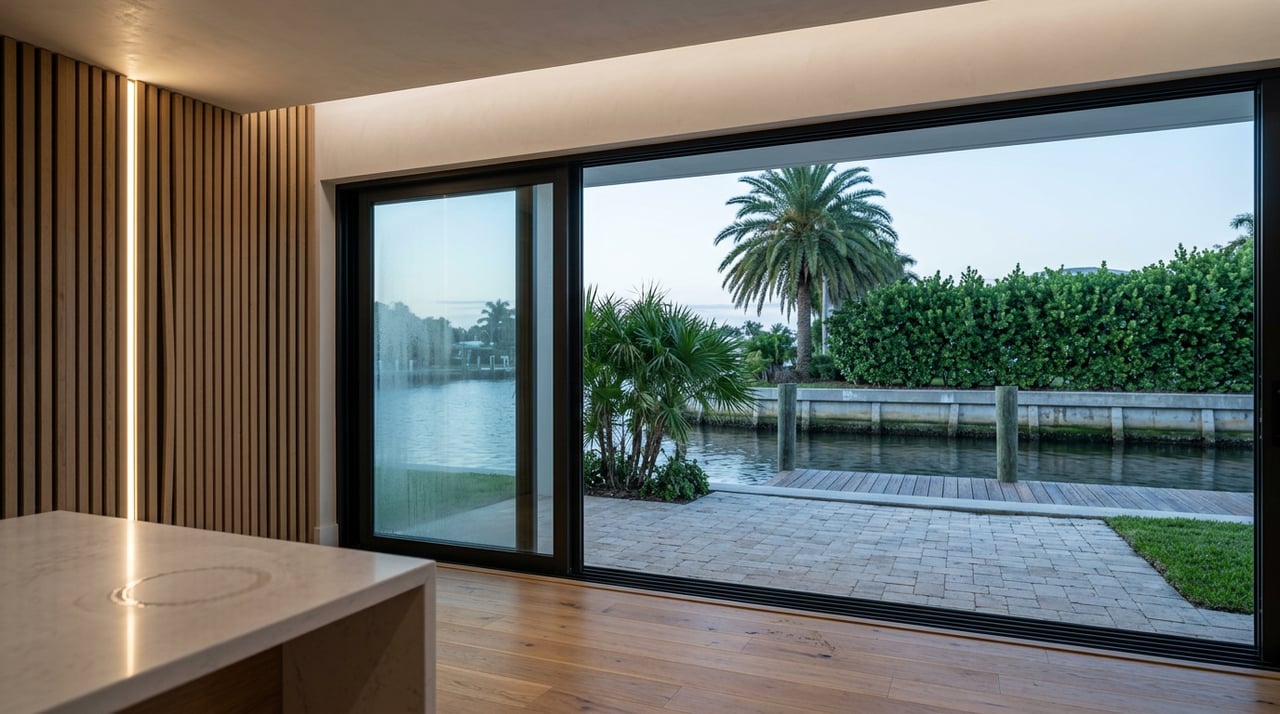
You sit between Fort Lauderdale and Pompano Beach with a web of seawalled residential canals that open to the Intracoastal Waterway. That means short rides to ocean inlets for offshore fishing and easy day boating along the ICW. Canal sizes and turning space vary by street, so two properties a block apart can offer very different access. You should match each home’s dock and canal profile to your boat’s length, beam, draft, and bridge clearance needs.
Southeast Florida has a microtidal pattern, often with less than a foot of range in some locations. Even with small tides, seasonal swings and wind can influence bridge clearances and shallow spots. For planning, check local tidal datums and sea-level trends on NOAA Tides & Currents. During June through November, track tropical weather and readiness checklists with the National Hurricane Center.
Most Lighthouse Point canals are man‑made and lined with seawalls. Depths are not uniform, and sediment shifts after storms and boat traffic. Expect variations in turning room near the end of canals and at T intersections. Before you make an offer, confirm controlling depths at mean low water and review seawall condition and elevation.
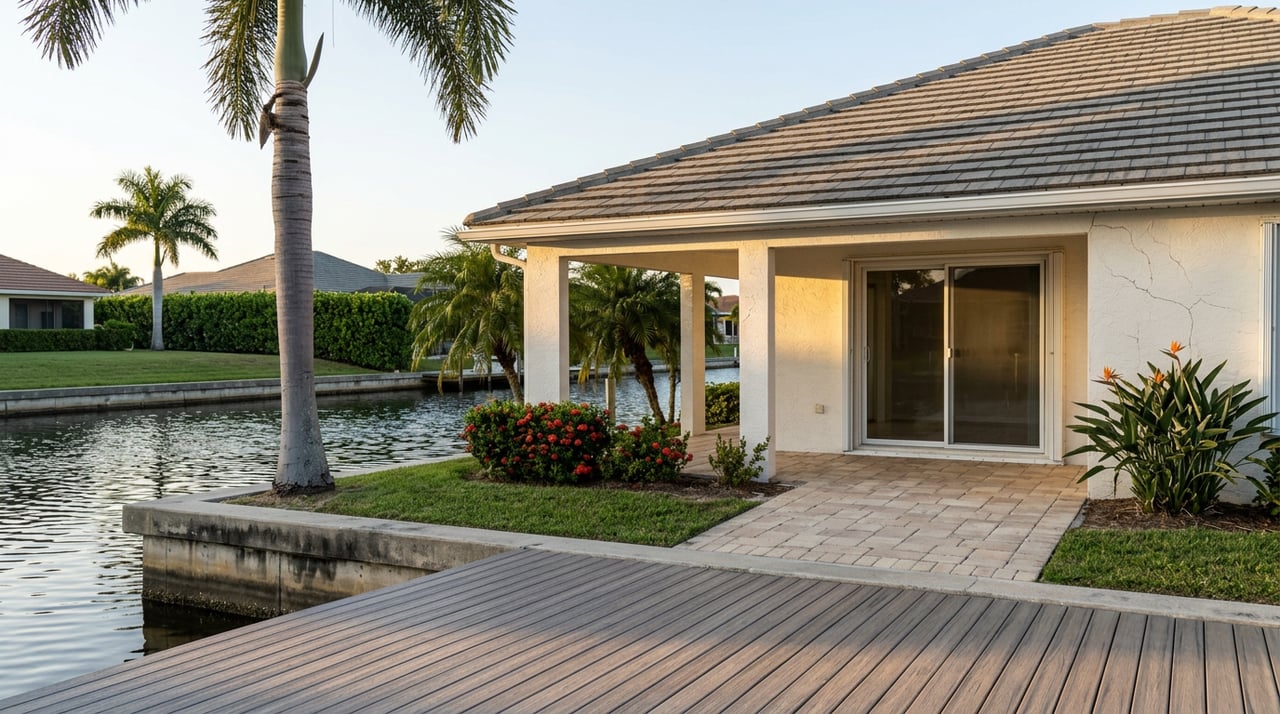
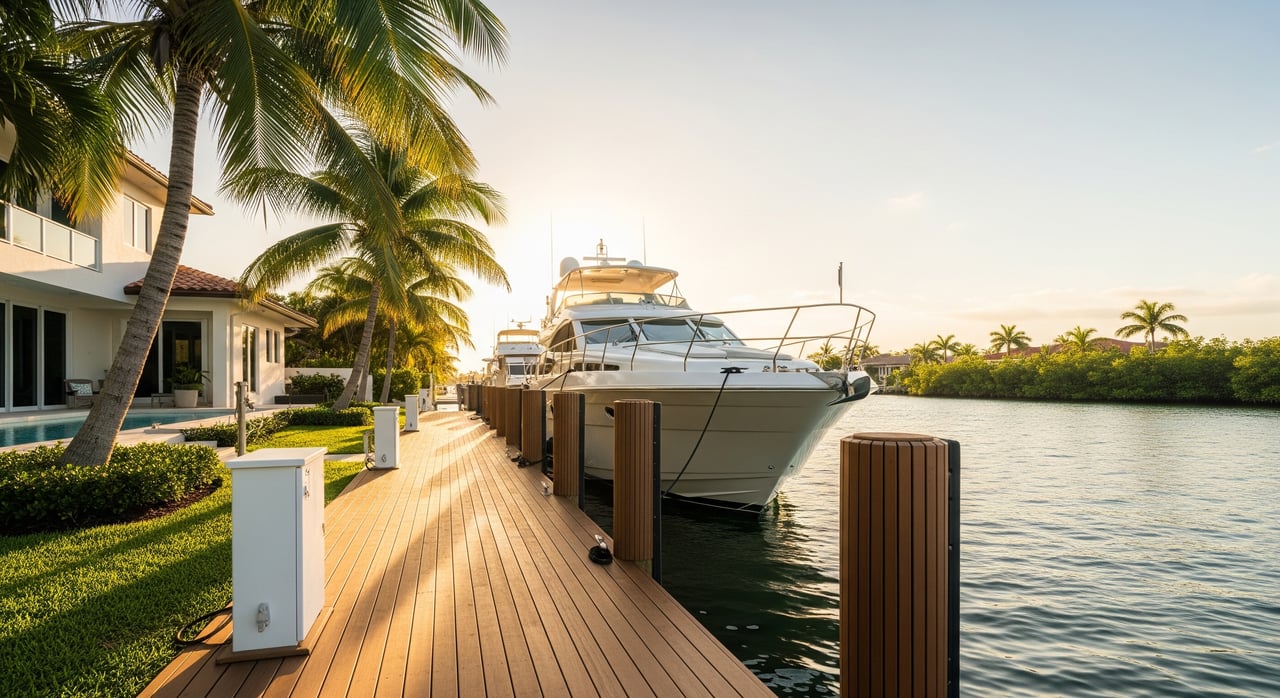
You will see fixed pile-supported docks and, in some cases, floating sections. Fixed docks work well in this microtidal setting, while floating segments can add flexibility for surge and seasonal changes. Many owners install lifts to reduce fouling and storm risk; lift capacity, beam clearance, and height should align with your boat’s weight and profile. Utilities often include 30A or 50A shore power, potable water, and lighting; verify exact service, panel amperage, and receptacle types on site.
Dock and seawall work generally needs city or county permits, and any project seaward of mean high water or involving dredging can trigger state and federal approvals. Review permitting pathways with the Florida Department of Environmental Protection and the U.S. Army Corps of Engineers. In South Florida, water management considerations can also involve the South Florida Water Management District. If a dock is shared or part of an HOA, confirm the rules on transferability, guest use, and wait lists before you buy.
If your boat is larger than a typical residential slip or you host visiting boaters, you will find commercial marinas within a short run in Fort Lauderdale and Pompano Beach. Services commonly include fuel, pumpout, transient slips, and haul/repair yards for routine work and hurricane prep. Slip size and availability change with season, so call ahead for current policies and capacity. Keep at least one haul-out yard identified for your vessel size, especially during storm season when schedules fill quickly.
Florida requires vessel registration and titling. You should review registration, equipment, and operation rules with the Florida Fish and Wildlife Conservation Commission. Manatee protection areas and canal no‑wake zones are actively enforced, and violating speed rules can bring fines and liability for wake damage. Get familiar with posted signs, and plan routes with conservative speeds through narrow channels.
Waterfront living means flood and wind exposure. Flood zones and elevation can influence your homeowner’s and flood insurance costs, and boat insurance varies based on storage method, hurricane protections, and offshore use. Start with a flood zone lookup for the property at the FEMA Flood Map Service Center, and review county guidance and emergency resources through Broward County. A seawall’s condition, tieback system, and cap height affect long-term maintenance and storm resilience, so include them in your inspections.
Good plans reduce risk and stress. Marina and private owners often require steps like scheduling haul-outs, doubling lines, chafe protection, removing canvas and electronics, and securing on a lift or in dry storage. Build a written checklist and confirm your yard’s storm plan before June. For tracking and planning tools, use the National Hurricane Center and follow local emergency guidance.
Plan routes with official charts and updated local soundings. The ICW has published controlling depths and bridge clearances, but residential canals can shoal and change after storms. Before you navigate a new route, review electronic and paper charts via NOAA’s Office of Coast Survey, then verify recent dredging or depth reports with local marinas or a licensed surveyor. For tight canals, do a slow pass at mid-tide, log depths, and note turning basins before you commit with guests aboard.
Use this step-by-step process to confirm a property fits your boating life:
Verify dock suitability
Confirm controlling depths and navigation
Review permits, maintenance, and legal rights
Insurance, flood, and resilience checks
Operational services and convenience
Regulatory and safety checks
Onsite technical inspections
You want a home that fits your life on the water, not the other way around. I combine hyper-local knowledge with a practical, investment-minded approach to help you assess docks, depths, and long-term costs before you commit. I coordinate surveyors, seawall inspections, insurance quotes, and marina contacts so you can close fast and start enjoying your boat with confidence. Ready to tour on‑water options or get a quick read on fit and value? Connect with Klaus Gonche to get started.
Stay up to date on the latest real estate trends.